The Hidden Complexity Behind Every NEMT Trip
Recurring dialysis runs, will-call discharges and multi-leg transfers each fail in their own way. What actually happens between accepting a trip and closing it out, and what separates an operation that absorbs the variance from one that passes it on to the rider.
- Published
- Reading
- 11 min
- Topic
- Industry
What NEMT Is
Non-emergency medical transportation enables patients to receive the medical attention they need, while safely and efficiently transporting patients who may otherwise have difficulty reaching medical providers.
Getting to care on time should not be complicated.
One missed ride can have a multitude of serious consequences, including missed treatment and disruptions in care. A dialysis patient who misses a treatment could face serious health complications within days; a behavioral health patient who misses appointments for consistent treatment could cycle back into crisis; an elderly patient who needs a specialist visit for a medical condition may go without a proper diagnosis and appropriate treatment. The list goes on, and the consequences affect the quality of care these patients receive, the difference between existing with care and existing without.
Many organizations already provide NEMT services. These providers are paid by Medicaid, managed care companies, or private insurance to transport patients to their appointments. Beyond providing safe and reliable transportation to appointments, Medicaid transport providers must document each trip, adhere to strict compliance regulations, and report on performance metrics that are far more stringent than those required of ride-share providers, taxi companies, and other commercial providers. These drivers are not health care providers, but they are specially trained to safely transport individuals with special medical needs. Medicaid transport vehicles are equipped to safely transport wheelchair-bound patients and those with mobility disabilities. Most importantly, the driver schedules the ride, transports the patient, returns to the office, completes all necessary trip documentation, and reports the trip to payers to ensure reimbursement to the provider. Behind every trip is an entire operations team striving to turn the trip over on time, accurately document the trip, and provide the patient with total confidence in the work being performed.
But what does “Quality” really mean — to the operator, to the driver, to the passenger — and how does that translate into running good NEMT services?
What a Ride Looks Like
The process begins by accepting a trip from a broker, a managed care organization, or a direct referral from a medical facility. The Operations Department coordinates acceptance of the trip, including the appropriate vehicle, driver, and routing. Repeated trips on a scheduled basis are easy to manage. New or difficult trips require more coordination to ensure that all the proper variables are in place, such as the appropriate vehicle, the proper facility location, and on-time arrivals.
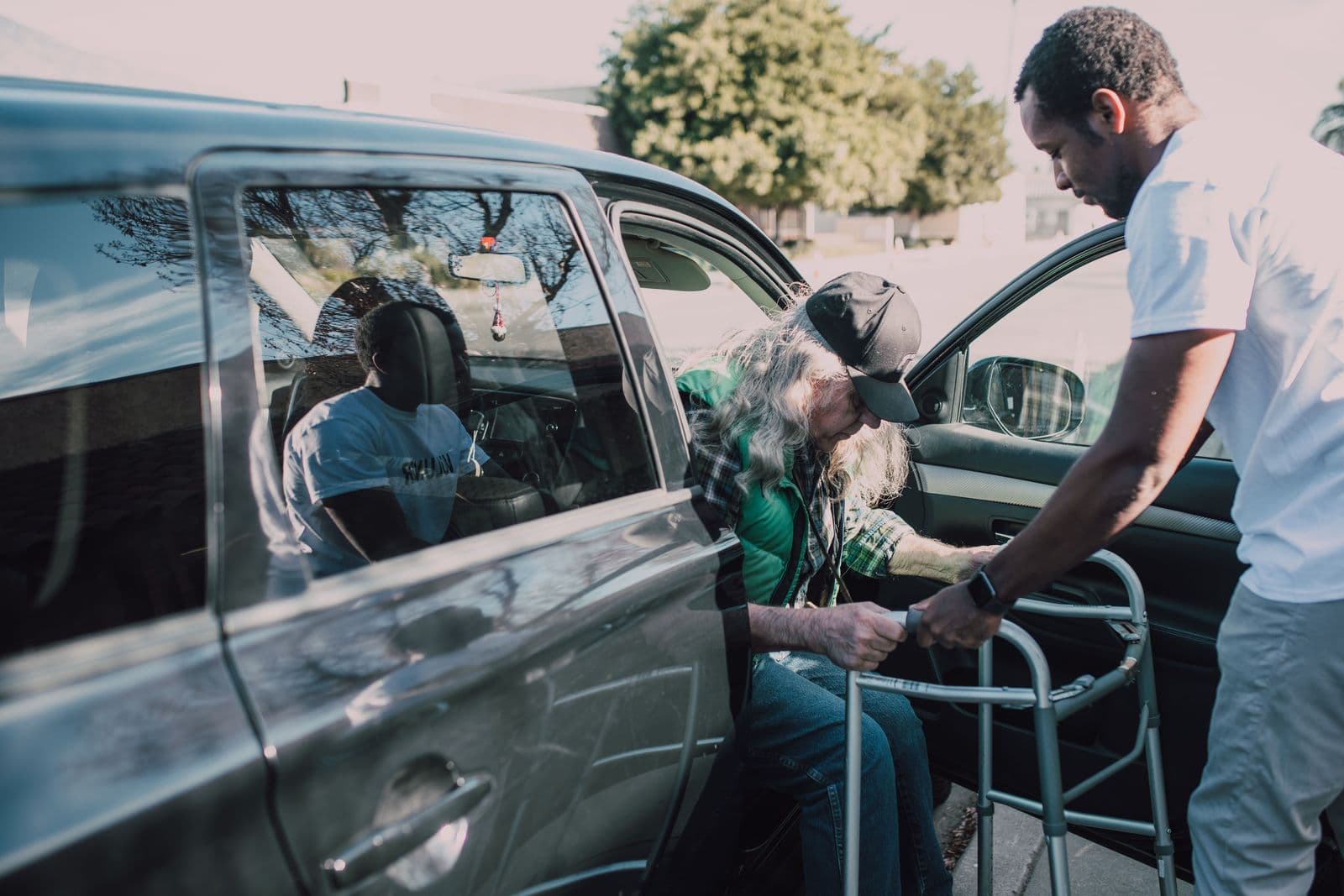
Services begin when the driver arrives on time at the pickup location — a residence, assisted living, group home, skilled nursing facility, hospice — and makes contact with the rider. This includes helping riders with disabilities board the vehicle safely, verifying the rider’s destination, and providing respectful, courteous, calm service throughout the ride. Many clients need more than just a ride to their destination; they require care and service along the way.
After arriving at the destination, the driver’s responsibilities often extend beyond the drop-off itself. In many cases, the driver must park the vehicle, assist the patient to the entrance or appointment location, and remain available depending on the nature of the visit. Some trips require the driver to wait during the appointment, coordinate a timely return trip, or respond to a will-call pickup once the patient is ready. Because of this, managing wait time and vehicle availability becomes one of the most important operational challenges in NEMT.
While your company’s involvement in your customers’ and riders’ trips may end once they return home, the driver’s job isn’t over just yet. The driver must document significant details, such as pick-up and drop-off times and miles traveled during the duration of the trip. These details not only help the driver remember highlights of the trip but are also crucial in completing all necessary documents required to bill the payer accurately for services rendered.
The Rides Are Not All the Same
Non-emergency medical transports vary greatly in type and need different solutions for trip scheduling. Trips such as routine dialysis trips, hospital discharges, and behavioral health rides all vary in different ways.
Recurring Rides
The most predictable NEMT trips are those scheduled regularly — daily or several times per week — for the same riders traveling to the same locations.
For many patients undergoing treatment for renal failure, getting to and from hemodialysis sessions can be time-consuming and exhausting. Typically, patients travel to dialysis centers three times per week for 3-5 hours per session, over the course of several months or years. It takes significant effort to ensure a rider arrives safely and on time, understands their needs, and returns on schedule. Dialysis patients need reliable operators who show up on time every time. Failure to do so can result in no-shows, rider loss, and a loss of market share to competitors.
Physical and occupational therapy rides typically last a few weeks as the rider recovers from surgery or rehabilitates from an injury. Each week, the rider’s abilities may differ, so different modes of transportation and vehicles can be used. As with all other rides, vehicle choice and the driver’s physical condition will always be taken into consideration.
Efforts are made to contact family members or caregivers prior to service, and developing a rapport with drivers is especially important for guests with cognitive disabilities who struggle with change or with unfamiliar faces.
Oncology and infusion appointments are never the same from one week to the next. A chemotherapy patient may be able to walk to the van one week but need assistance the following week. The length of treatment varies depending on the patient’s response to their particular cancer and medication. The operator needs drivers who can read the rider’s condition and respond accordingly throughout the cycles of treatment.
Appointment-Based Rides
Here, we focus on the single trip, the most common type being either a primary care trip or a specialist visit. Primarily straightforward, these trips are complicated only by the return time, which depends on the duration of the visit. A patient who arrives and is seen within thirty minutes will have the same return window as a patient seeing a specialist for an extended two-hour visit.
Appointments for behavioral health — psychiatric, counseling, and substance use treatment — have special requirements. Riders with mental health treatment needs may have unpredictable or safety-concern conditions that affect their ability to communicate and behave appropriately during transportation. Drivers providing these services require an understanding of how to handle distressed riders in a safe and supportive manner, establishing a calm, nonjudgmental environment in the vehicle. While the physical and operational requirements are typical for other appointments, the driver’s interaction with the rider can be unique.
Other imaging and diagnostic tests, such as MRI, CT, and X-ray scans, as well as lab draws, tend to be scheduled on short notice. These patients may be fasting, in a medically sensitive state, or feeling unwell. Some imaging centers have relatively narrow time slots between appointments, so timing is everything.
Complex and Variable Rides
This type of travel requires significant flexibility in trip organization and coordination.
In hospital discharge and will-call routes, pickup times are often flexible. After a patient’s discharge from a hospital or medical facility, procedures are typically completed, and the patient is ready for transport within a morning to late-afternoon window. Drivers are required to wait if they arrive too early, and, conversely, a late driver may be forced to wait longer for the patient in a hospital corridor. Good coordination with hospitals, dispatchers, and drivers is key to managing potential wait times and vehicle repositioning between routes.
A multi-leg trip is typically defined as a series of trips that may include travel between vehicles or facilities, between levels of care, or for additional tests and services — a patient needing dialysis who also requires additional testing, for instance. Accurate documentation and timely coordination of these transitions are critical at every handoff point.
For wheelchair users, stretchers, and bariatric passengers, dedicated vehicles and specialized equipment are required to manage the increased time needed to load and unload passengers. Driver training is also crucial. There is a risk of severe service failure if an inappropriate vehicle is selected, leaving the passenger stranded.
Implications for Riders and Families
Riders rely heavily on NEMT for medical visits. They might be recovering from surgery, managing chronic illnesses, living with disabilities, or facing cognitive or emotional hurdles. Scheduling a ride involves more than just booking; patients need energy to get ready, leave on time, and cope with uncertainties like vehicle punctuality. During the trip, safety, respect, and comfort are additional concerns. After appointments, returning home can be exhausting or traumatic, yet it’s often the part of the day they look forward to.
What a Good Ride Looks Like, and What a Hard One Does
A good ride
Margaret, 74
Margaret has been going to dialysis three times a week for two years. She schedules her rides with James, who always arrives by 9:50 am on Mondays, Wednesdays, and Fridays. He allows her quiet time if she needs it, but they often have lively conversations on the way home. She feels comfortable and not burdensome. She is engaged, and she feels empathy for the driver. The driver is aware of her situation and accommodates her needs the best way he can. As a result, she isn’t anxious or distressed. That doesn’t only improve the trip itself — it means she is not dreading the next one.
A tough experience
Robert, 61
Robert was discharged from a hospital following a cardiac procedure. His family was told a ride had been arranged. He sat in a discharge lounge for 90 minutes after his paperwork was complete, not knowing whether the vehicle was coming, whether someone had called, or whether he should ask the nursing staff to intervene. He had no choice but to wait and hope. When the driver arrived, there was no explanation of the delay. On the way home there was an awkward silence that felt less like calm and more like indifference. Robert arrived home safely. But the experience left his family with questions about whether they could trust the service for his follow-up appointments.
What Can Go Wrong and What Good Operators Do
Each ride type has its own failure modes. In recurring trips, inconsistency is most common: the driver varies each week, pickup times differ, and the vehicle may not suit the rider’s needs. Riders relying on routines feel these inconsistencies sharply. Good operators assign the same drivers to recurring riders when possible and communicate when they cannot. For will-call and discharge trips, a frequent failure is a coordination gap between the facility and dispatch: the facility calls when the patient is ready, but the driver isn’t positioned to respond quickly, causing the patient to wait. Good operators keep active communication with discharge coordinators and establish clear protocols for repositioning drivers during waits to minimize response times. For appointment-based trips, the main failure is a timing mismatch: the driver arrives before the appointment ends, waits briefly, then leaves, and the passenger finds no vehicle and no clear contact with dispatch.
Good operators implement driver wait protocols and escalation procedures for long appointments. In complex trips with multiple legs or special equipment, failure often occurs due to vehicle or handoff mismatches: wrong vehicle types arriving, or second-leg drivers not properly positioned during transfers. Good operators verify equipment before dispatch and embed transfer coordination into the trip records, not as an afterthought. Across all ride types, what distinguishes reactive from proactive operations is disciplined documentation, proactive communication with facilities and riders, and early problem detection to prevent service failures.
Where Technology Fits
Structured fleet and dispatch tools are valuable allies in NEMT, intertwined with human judgment rather than replacing it. They offer practical benefits that make managing transportation smoother: a unified view of vehicle locations and routes; a direct, real-time communication channel with drivers that spares them phone calls in traffic; a clear workflow for recording trip details as they happen, saving time and reducing errors; and a record of vehicle status and maintenance needs that helps prevent breakdowns. For riders and their families, the impact might be less direct but is just as meaningful. Early alerts about delays allow for efficient updates, complete trip records streamline billing, and planning vehicle assignments ahead of time ensures riders get the right equipment — a wheelchair lift, say — when they need it. These tools don’t guarantee perfect outcomes, but they make achieving them more reliable when used thoughtfully.
Where Naveera Fits
Naveera exists to make NEMT operations easier to run and easier to trust. We focus on reducing day-to-day friction, helping teams stay organized, communicate clearly, and maintain consistent service across high-volume, high-variability rides. Our work is not about adding complexity to an already demanding job. It is about removing the friction that makes that job harder than it needs to be, so operators can spend their attention where it matters most: on the ride, the rider, and the reliability that both depend on.
At the human level, the goal is straightforward. Fewer missed connections between schedules, facilities, drivers, and riders, so people get to care safely, efficiently, and with more predictability. That is what NEMT is supposed to deliver. It is what the people who depend on it deserve. And it is the standard every well-run operation is working toward, one trip at a time.